

Finally, a Treatment Built Around Your Brain. Not Just Your Symptoms.
When depression, anxiety, OCD, or mental fog haven't responded to medication or therapy, it's not a willpower problem. It's a brain pattern problem.
TMS/MeRT is a treatment that targets the specific areas of your brain that aren't functioning the way they should.
Drug-Free
Non-Invasive
Psychiatrist-Led
But before we start, we map your brain first.
A qEEG brain map shows us exactly what's happening beneath the surface, so we can build a treatment plan around your brain, not a best guess.
Real Patients. Real Results.
The Problem
Most people start treatment before anyone actually sees what’s happening in their brain.
Stress, trauma, burnout, and genetic predispositions can cause the brain to get stuck in patterns that drive anxiety, depression, insomnia, ADHD, brain fog, and chronic stress.
You can't fix a pattern you can't see. That's why we map first.
A QEEG brain map gives us a real-time look at how your brain is functioning — not based on what you describe, but based on what we can actually measure. This helps Dr. Light build a more targeted, personalized TMS treatment plan from day one.

Symptoms Don’t Always Show the Real Cause
Two people with anxiety can have completely different brainwave patterns. Without a brain map, treatment is trial and error. With one, we can identify the underlying pattern and target it directly.

Talk Therapy Has Limits
Therapy is valuable — especially alongside TMS/MeRT. But it relies on what you can consciously recognize and describe. Brain mapping reveals what's happening beneath the surface that words can't capture.

Stop Guessing
Many people spend years cycling through medications or therapies that only partly help. A QEEG brain map takes about 40 minutes and gives us a clearer, more confident place to begin.
The Treatment
TMS/MeRT Therapy: Drug-Free. Non-Invasive. Clinically Proven.
TMS (Transcranial Magnetic Stimulation) or MeRT (Magnetic e-Resonance Therapy) uses gentle magnetic pulses to stimulate the areas of your brain involved in mood, focus, and mental health. It's done in-clinic, requires no anesthesia, and you can drive yourself home afterward.
It's not experimental. It's not a last resort. It's a precision tool — and it works best when we know exactly where to target.
Anxiety Improvement
Calms overactive brain regions linked to chronic worry and stress.
Depression Relief
Helps reduce symptoms of depression, even when medication hasn’t helped.
OCD Symptom Reduction
Targets brain circuits involved in obsessive thoughts and compulsions.
Autism / ASD
TMS/MeRT may help reduce repetitive behaviors and improve focus and emotional regulation.
Parkinson's Disease
TMS/MeRT can support motor function and mood by stimulating underactive brain circuits affected by Parkinson's.
PTSD
Targets overactive stress and fear circuits in the brain to reduce hypervigilance, flashbacks, and emotional reactivity.
Brain Injury Recovery
TMS may help improve mood regulation, mental clarity, and fatigue following a concussion or brain injury.
Migraines
TMS/MeRT may reduce the frequency and severity of chronic migraines by regulating cortical excitability patterns.
Cognitive Enhancement
Boosts focus, memory, and mental clarity in people with cognitive fog or decline.
Your Provider
You'll be working directly with a psychiatrist — not a coordinator.
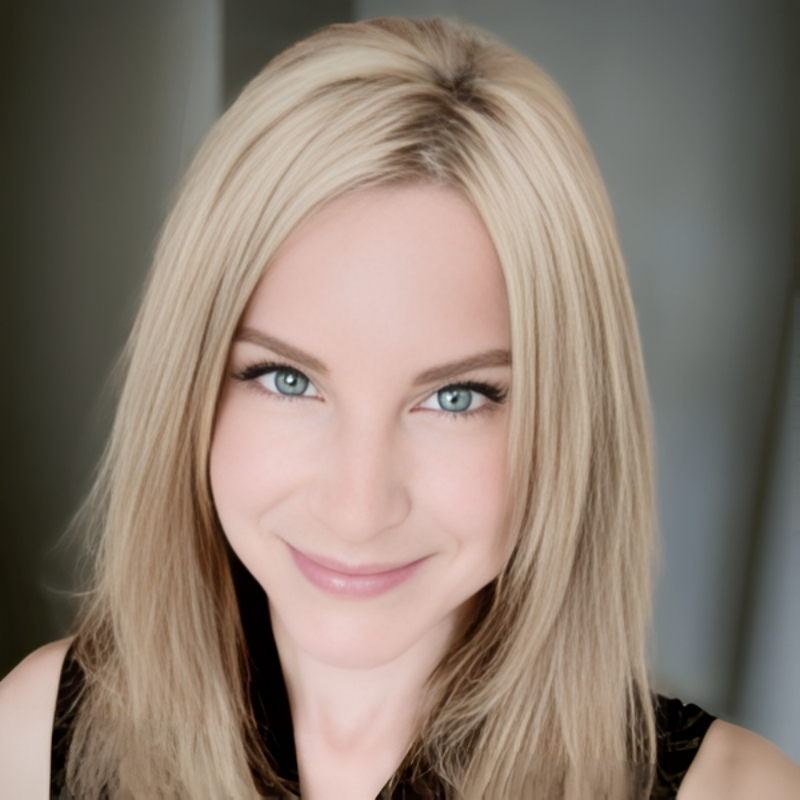
Dr. Krista Leicht
Medical Director | Psychiatrist | TMS & MeRT Trained
Dr. Krista Leicht is a Canadian-trained, Alberta-licensed Psychiatrist with over 20 years of clinical experience. She has completed advanced training in rTMS and MeRT through the Brain Treatment Center and supports Neuromed Clinic's neuromodulation programs with a strong clinical foundation.
Her background in adult, adolescent, and developmental psychiatry allows her to guide TMS care with a clear, patient-focused approach.
Your Path Forward
Three steps from inquiry to treatment.
Step 1 — Book Your Free Discovery Call
A 15-minute phone call with our care coordinator to understand your situation, answer your questions, and confirm TMS/MeRT is a strong fit for you.
Step 2 — QEEG Brain Map
A 40-minute in-clinic session where we measure your brainwave activity. Dr. Leicht reviews your results and builds your personalized TMS/MeRT protocol.
Step 3 — Begin TMS/MeRT Treatment
Targeted magnetic stimulation sessions, 5 days a week for 2-6 weeks. No medication. No downtime. Most patients notice changes within the first 2–3 weeks.
Investment & Financing
We believe cost shouldn't be the reason you don't get better.
TMS/MeRT at Neuromed starts from $100 per session, with a minimum recommended course of 30 sessions. We offer flexible financing through Medicard, with approvals typically within 24 hours.
On your discovery call, your care coordinator will review all options with you including payment plans, session bundling, and what financing you may qualify for...before you make any decision.
No surprises. No pressure.

Ready to understand what's actually happening in your brain?
The first step is a free 15-minute call. No commitment, no clinical forms, no obligation.
Your care coordinator will answer every question you have and let you know honestly whether TMS is likely to be a good fit.
2532 Ellwood Dr SW, Edmonton, AB T6X0A9
Phone: (587) 860-1880
TMS is not covered by provincial insurance plans in Alberta. Financing options available. Results may vary. QEEG brain mapping is not a diagnostic tool — results are used to support treatment planning only. Neuromed Clinic operates under the oversight of the College of Physicians and Surgeons of Alberta (CPSA).